
There are two primary classes of sand, abiogenic sand and biogenic sand. The defined difference is based upon the source. Abiogenic sand consists of pieces of eroded rock. Biogenic sand are the small pieces of the skeletal remains of animals, and in some cases, the remains of plants.
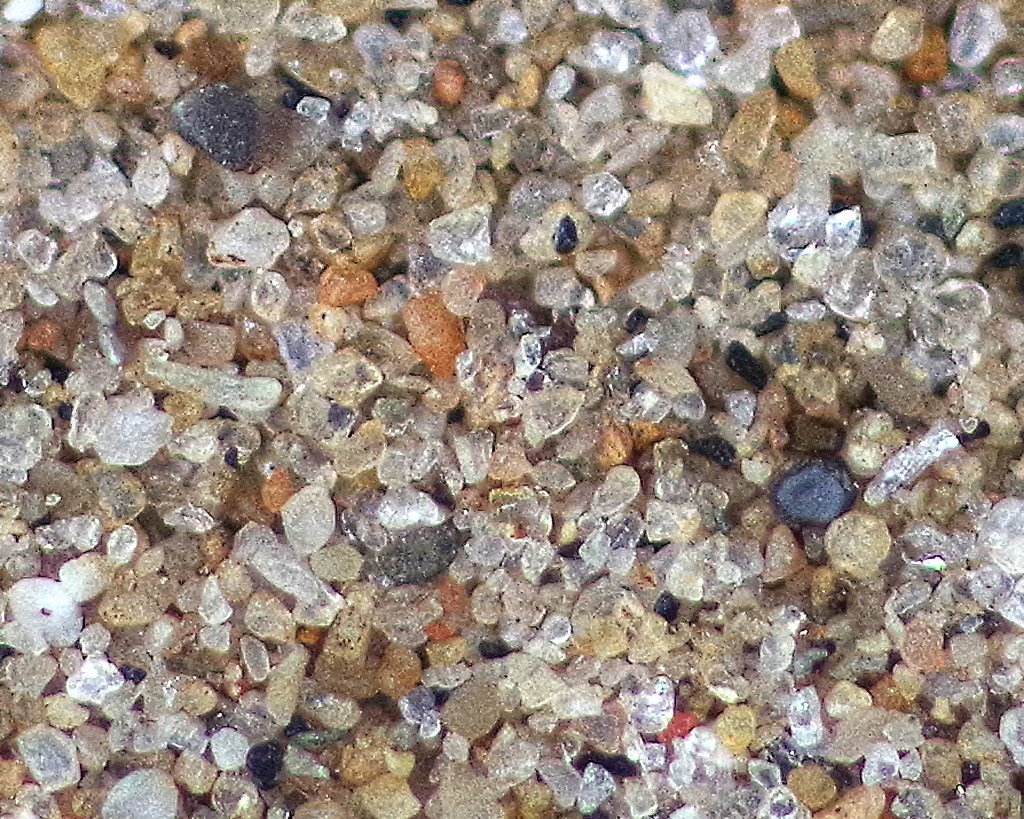
Here is some Lake Erie beach sand which is mostly abiogenic.
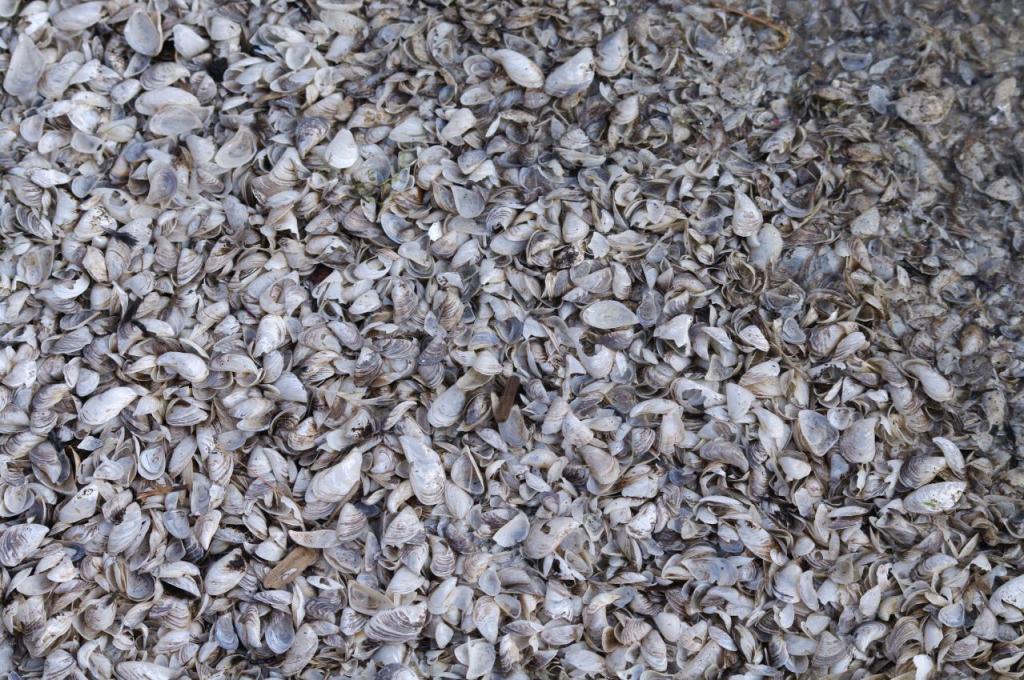
Below are some zebra mussel shells that had washed up on the beach. By now they have become biogenic sand.
What might this have to do with the sand accumulations at Long Point? Biogenic sand is generally less dense than abiogenic sand, not so much because of the chemistry, but due to its porous structure. Clam shells have many tiny pockets and gaps that most rock types don’t have. Air and water are both lighter than rocks, so regardless of whether those pockets are filled with air or water, the average density will be less than nearly any abiogenic sand.
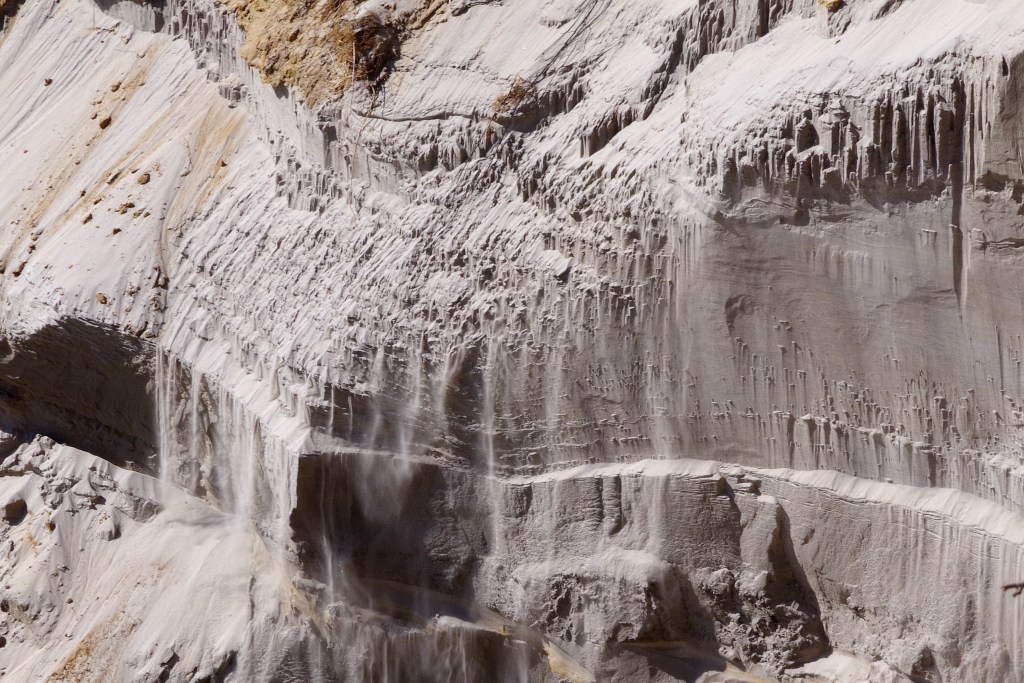
The two types of sand are easily be mixed together in the lake, but biogenic sand will be moved by water currents more easily than abiogenic sand. If waves push sand ashore, the lighter sand will tend to be blown more easily and farther. Also, and this is only speculation, the lighter sand might travel more easily in littoral drifts where as the heavier, abiogenic, sand might more likely move downhill into deeper water.
Where might much of Lake Erie’s biogenic sand come from? Mollusk (clam) shells and fish bones would be the primary sources. The clamshell sand would outlast the bone sand, but the abiogenic sand would outlast the biogenic sand.
The native mollusk populations have been decimated by a variety of human introduced factors. The zebra mussels had a huge negative impact on the natives species, and now the quagga mussels are displacing the zebra mussels. Fish populations are also well below those of centuries past. What impact does this have on the production of biogenic sand? Did the dramatic changes in the sources of biogenic sand result in a short peak in its production as the clams died? Was that peak followed by a dramatic reduction of biogenic sand? How long does biogenic sand persist before becoming dust if exposed to waves, thawing, sunlight, and bacterial attacks?
 someofabeach.ca